Blog / Agriculture
Soil as Inheritance
The topsoil beneath a working farm represents centuries of biological accumulation. Modern tillage practices can undo that accumulation in a single generation.
Daniel Jennings · November 20, 2025
American topsoil is old. The layer under a functioning Midwestern farm — the dark, friable horizon that holds water, anchors roots, and exchanges chemistry with the organisms that make crops possible — took somewhere between five hundred and a thousand years per inch to form. The organic matter bound into it is the residue of millennia of prairie root systems, fungal networks, microbial generations, burrowing animals, and the slow patient cycling of carbon through the soil column. It is, in the most literal sense, inherited wealth.
The inheritance metaphor has a corollary that the agricultural economics conversation tends to avoid: inherited wealth can be liquidated. You can take the stored capital of centuries and spend it in a generation. American agriculture has been doing exactly that. Estimates of topsoil loss since the turn of industrial farming vary, but the range that soil scientists cite most often is between a third and a half of the original prairie topsoil, lost primarily to water erosion, wind erosion, and the collapse of the organic matter that once held the soil structure together.
What replaces it is chemistry. The nitrogen, phosphorus, and potassium that plants need can be supplied synthetically, and for several decades the yield numbers held up well enough that the loss of soil structure did not register as a crisis. But yield numbers are a lagging indicator. The soil is the infrastructure; the chemistry is the maintenance hack that keeps the infrastructure producing after the infrastructure itself has been degraded. Infrastructure hacks scale until they do not.
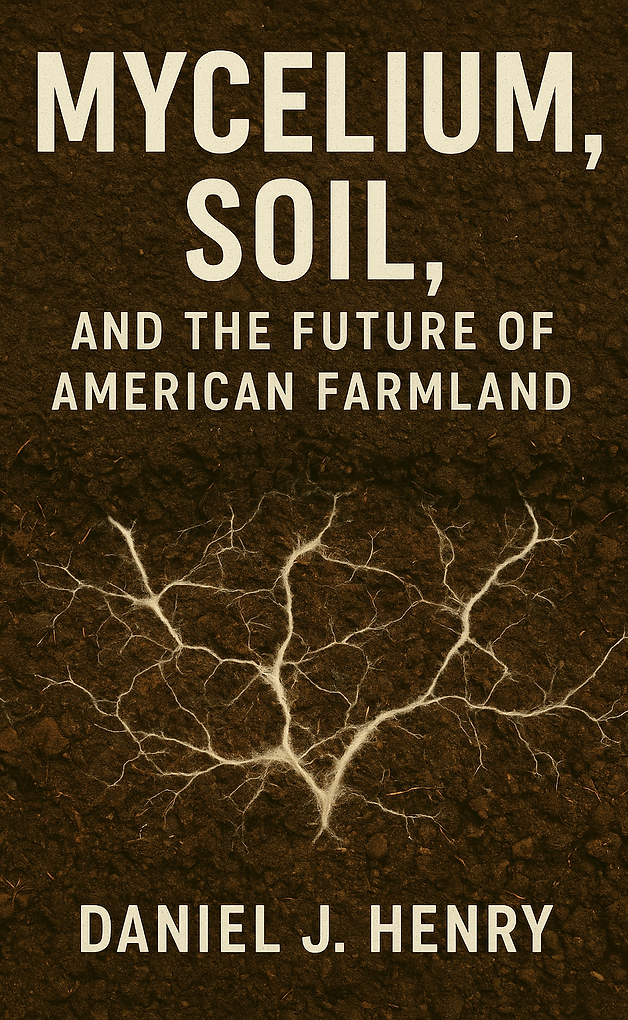
The mycorrhizal networks that GrassMan's agriculture titles describe are the connective tissue of that infrastructure. They do not show up in yield data until they are gone. A farm that has lost its fungal networks is still farmable — it just requires more of everything: more water, more synthetic input, more mechanical intervention. The per-acre cost climbs; the marginal output declines; the farm becomes less resilient to the drought years. The inheritance is being spent. The question the regenerative farming movement is trying to answer — at the field level, in real time, without much institutional support — is whether it can be restored faster than it continues to be lost.
Related titles from this theme
Agriculture.
Catalog titles curated into the same theme bucket on /reading-lists.
Keep reading
More from the press.
Return to the blog for more editorial essays, or enter the catalog.