The author
One question,
every book.
Daniel J Henry, founder of Grassman Publication, writes eclectic nonfiction that refuses both popular panic and academic shorthand — short, evidence-grounded books for working readers who have begun, quietly, to suspect they should be invited into the primary literature of the things they care about.
Founder, Grassman Publication
Daniel,
on the page.
Daniel J Henry is the founder of Grassman Publication, an independent small press dedicated to releasing nonfiction that takes ordinary readers seriously.
Daniel J Henry is the founder of Grassman Publication, an independent small press dedicated to releasing nonfiction that takes ordinary readers seriously. Before the press existed under that name, he had spent years reading manuscripts for small literary magazines and editing nonfiction book projects freelance — slowly, the imprint grew out of the conversations he had been having with writers whose work he admired but whose manuscripts were too eclectic for the acquisitions lists of the houses that had rejected them.
Henry's writing draws on an unusual dual vantage point: a working background in ecology — reading complex systems, soil biology, and the cultural habits that grow from them — alongside a stretch of former military service that taught him how a body learns to regulate itself under sustained load. Both vantage points show up in the same sentences throughout the catalog. PTSD. Solved. is written as if both jobs had been done well; Mycelium, Soil, and the Future of American Farmland is written as if both had been done slowly.
He writes for working readers — people who have never been invited into the primary literature of a given field and who have begun, quietly, to suspect they should be. The books refuse both the popular panic and the academic shorthand. They are short. They are evidence-grounded. They are written from the voice of an ordinary middle-aged American who has stopped being willing to take the cultural catechism of the moment on faith, and who would like a careful, shame-free framework for thinking about what is true about the human spirit, the body, the soil, or the economy.
He lives with his family in the southeastern United States, and most of the reporting and consultation work for the catalog was done in the same region. The catalog is open-ended by design — it keeps growing so long as the question underneath it stays alive.
The catalog
Books by
Daniel J Henry.
Every Grassman title, linked — each card opens the dedicated landing page for that book.
 Health
Sugar: A "Level One Drug?"
Daniel J Henry
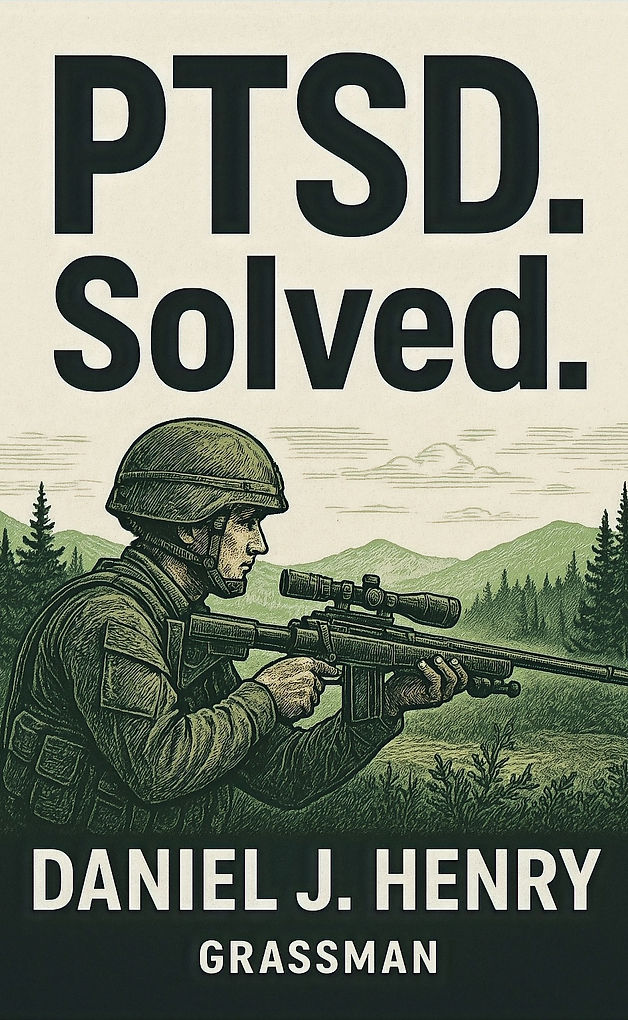 Health
PTSD. Solved.
Daniel J Henry
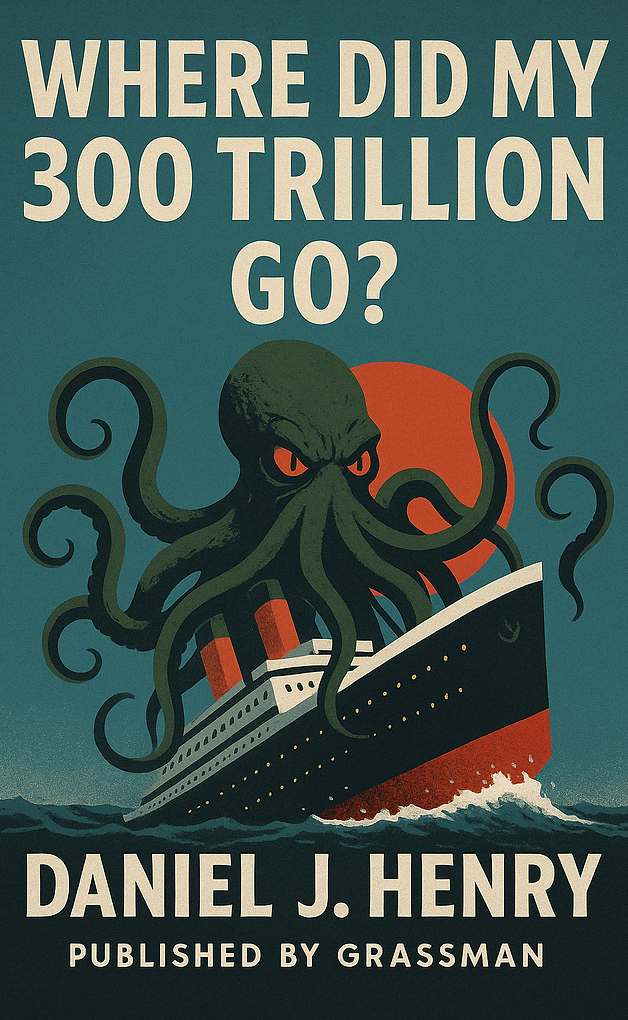 Economics
Where Did My 300 Trillion Go?
Daniel J Henry
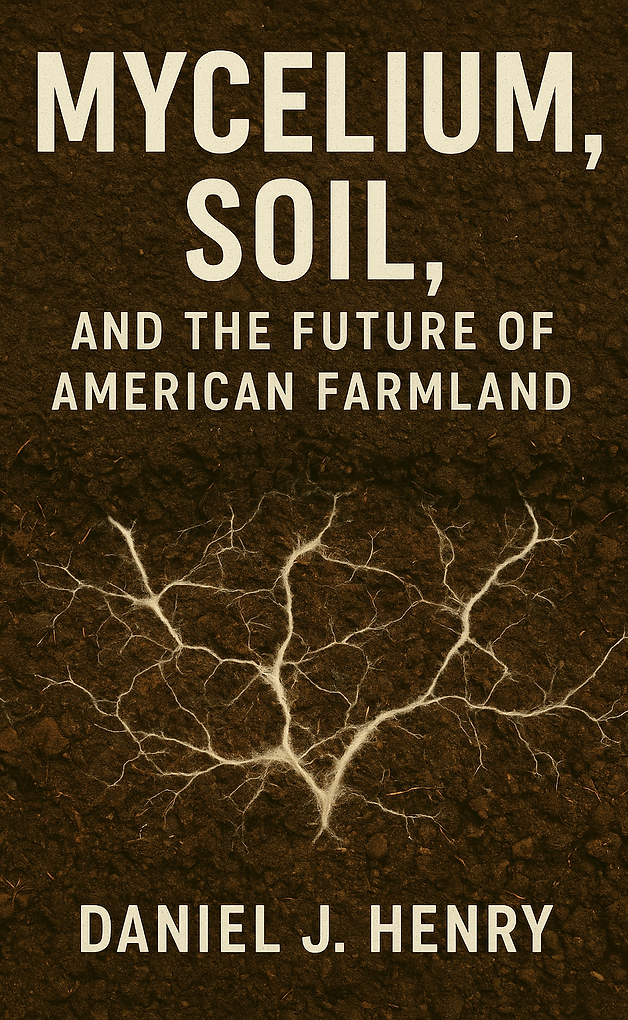 Agriculture
Mycelium, Soil, and the Future of American Farmland
Daniel J Henry
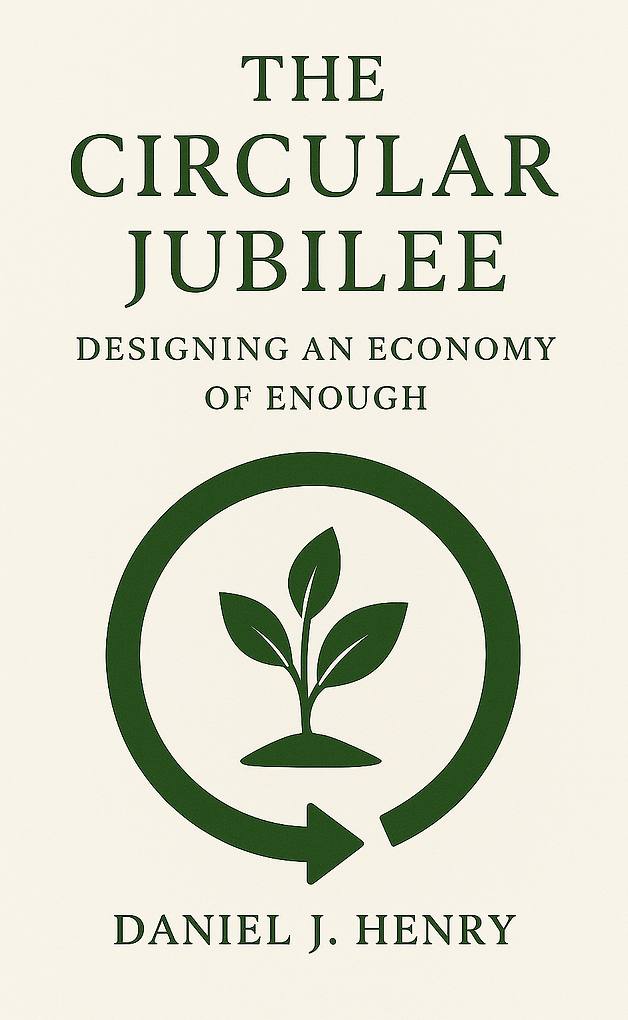 Economics
The Circular Jubilee
Daniel J Henry
 AI
AIThe Next Attorney, ChatGPT?
Daniel J Henry
 Economics
Why Buy Platinum?
Daniel J Henry
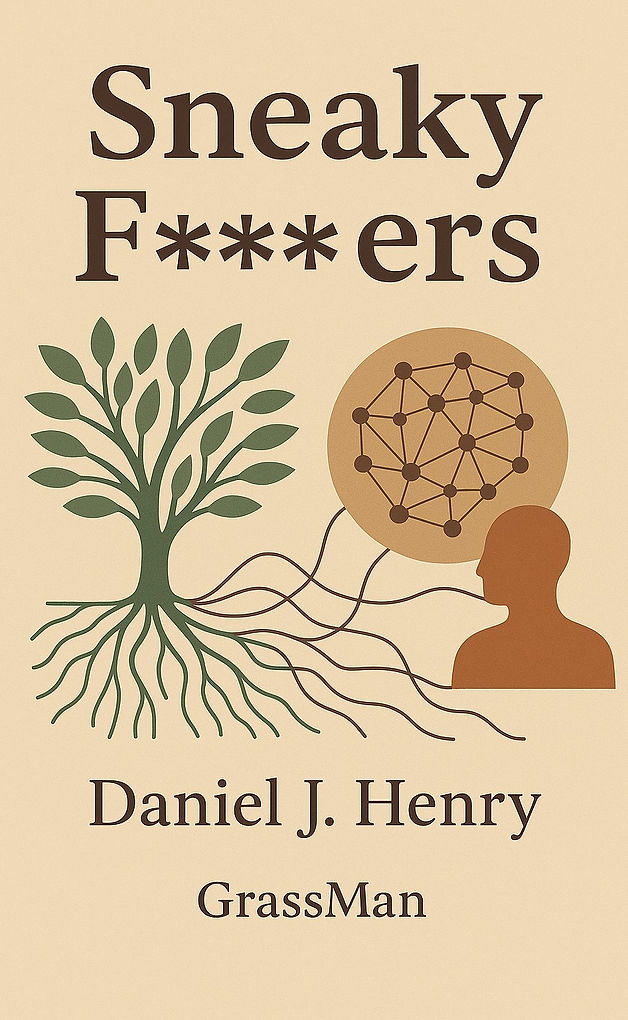 Society
Sneaky F***ers
Daniel J Henry
 Politics
Presidency, Why?
Daniel J Henry
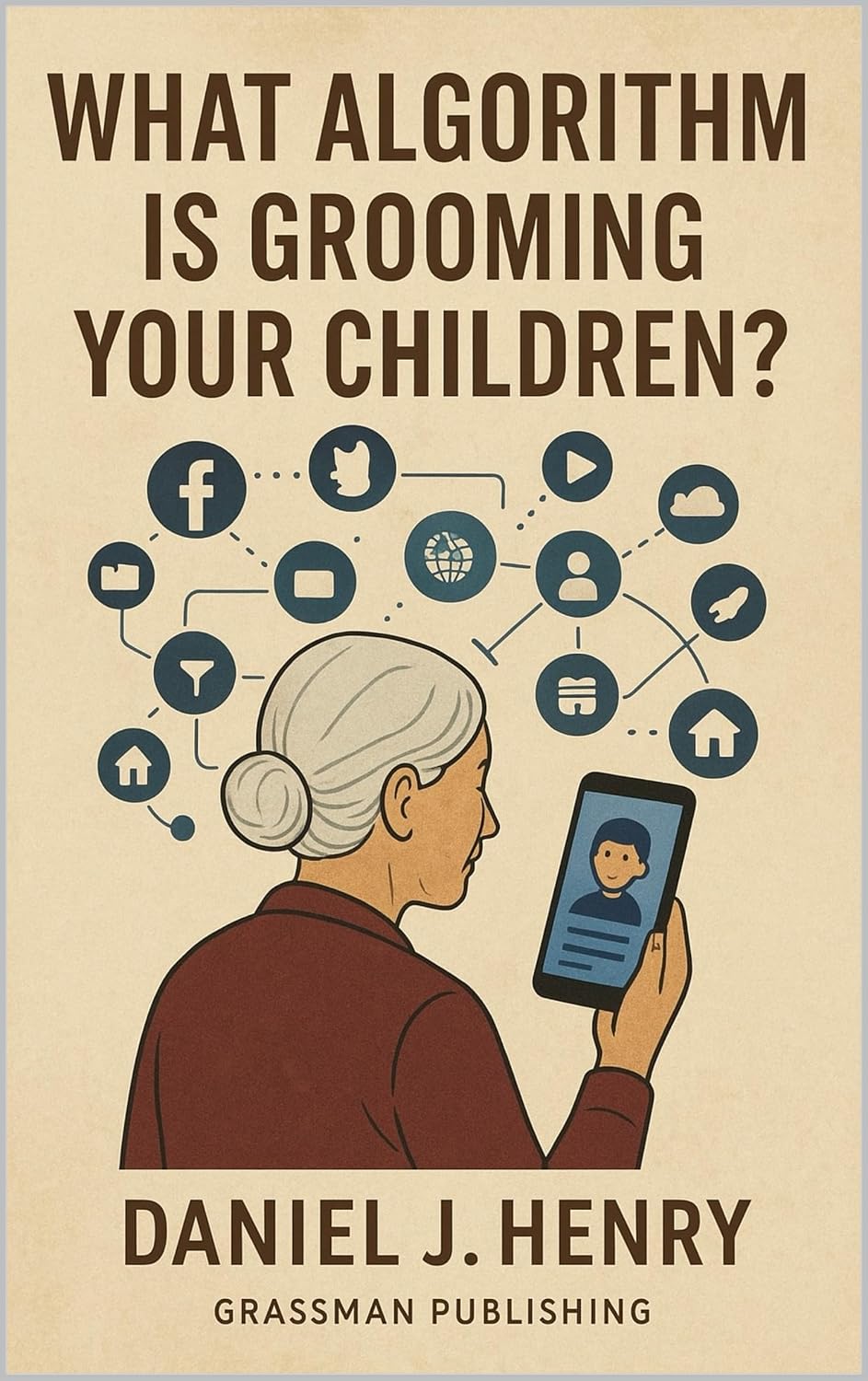 AI
AIWhat Algorithm Is Grooming Your Children?
Daniel J Henry
In conversation
Five questions
the press gets.
Short answers in the same voice the imprint writes in — the questions the press gets most often, resolved once and for all.
- What is the question underneath all of the books?
- The same one, in different surfaces. A field-report from a regenerative farm, a memoir of silent practice, a reckoning with the modern American balance sheet, and a parent's guide to the attention economy all sound like different books. They are. But underneath them, every one of them is asking what is true about the human spirit and what stays true after the day's working distractions have fallen away. I read across genres because the genre boundaries are mostly an accident of how the publishing industry is organized, and the question I am following does not respect those accidents.
- Your bio mentions an unusual dual background — ecology and former military service. How do those two things show up in the writing?
- The ecology trained me to read systems — to look at what the soil under a fence post is doing, what the climate around a courtroom or a balance sheet is doing, and what survives long-term versus what is just loud. The former military service trained me to regulate a body under sustained load and to write down in plain language what the body has learned. Both jobs, done well, push toward the same discipline: respect the system, name it in language a working reader can carry, refuse the easy slogan in both directions. PTSD. Solved. is the place where both vantage points are most visible in the same pages, but the discipline shows up in every book.
- Why does each book carry its own author bio, and why is there a dedicated /author page alongside the imprint's /about page?
- The books have to carry their own bio because the books travel further than the website does — a reader who picks one up at the airport may never see the imprint's site at all. So each title paragraph stands on its own. The /author page exists for the reader who lands on the site first, wants to know who is behind all ten of the books, and would like the longer version. /about is the imprint's press card — the editor and the model. /author is the writer behind the catalog.
- The imprint moved to Amazon Kindle Direct Publishing only. Why?
- A single-vendor, low-overhead distribution model means the budget goes to the books — to the editing, the cover design, the consultation work, the time spent with the primary literature — and not to a sales infrastructure the imprint cannot staff. The agreement is the standard one: the press takes exclusive distribution, marketing, and reproduction rights, and nothing more. Copyright stays with the author. The model is constrained on purpose, and it works because the books are written to be read, not to be merchandised.
- What does "Grassman" mean?
- The imprint is named after a working figure from the southeastern ground — the kind of person whose reading of soil, weather, and the long human future you can still find if you go looking for it. I wanted a name that did not gesture at prestige or at the literary class, and that pointed instead at the kind of patient, embodied attention the books are trying to make room for. GrassMan is a small house. It is going to stay a small house. The name is meant to keep it honest.
Next step
Trust is built book by book.
Read what is already on the slate, or send us what you have been carrying.